Macros Made Simple: A Gulf Guide to Protein, Carbs and Fat
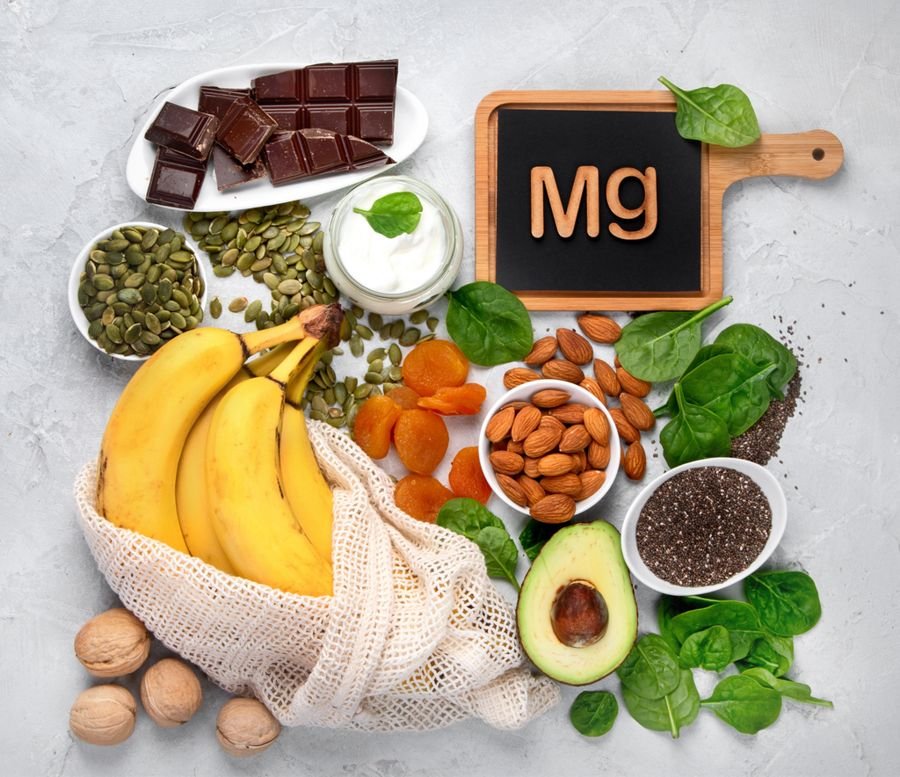
What are macros? Macros, short for macronutrients, are the three nutrients your body needs in large amounts: protein, carbohydrates and fat. Protein and carbs give you 4 calories per gram, and fat gives you 9.
Start changing the way you eat, and you’ll soon hear one word everywhere: macros. In health articles, on Instagram, at the gym. So what are they, and do you really need to think about them?
Macros aren’t just a trend. They’re the building blocks of every meal you eat: the fuel, the repair kit and the protection your body runs on. Understanding them takes the confusion out of food labels, diet trends and your own plate.
What are macros?
Foods contain different combinations of macros; some are mainly one. Dates are mainly carbohydrate, tahini is rich in fat, and grilled chicken is a source of protein.
In the Gulf kitchen, a date is mostly carbs, tahini is mostly fat, and foul is a mix of protein and carbs with plenty of fibre.

Builds and repairs
Fuels your energy
Protects your cells
Protein: your body’s building block
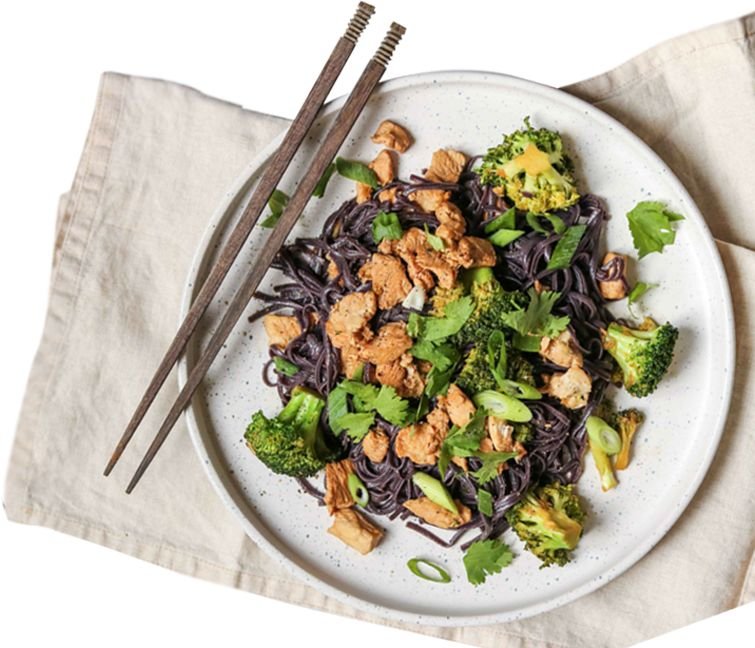
Protein is made of 20 amino acids. Nine of these are essential, which means your body can’t make them, so they have to come from food.
- 4 calories per gram.
- Builds and repairs muscle, and makes enzymes, hormones and other chemical messengers.
- Complete proteins contain all nine essential amino acids. Meat, fish, eggs, dairy, soy and quinoa are complete. Plant proteins become complete when you combine them across the day, like foul with bread or lentils with rice.
- How much? The reference intake for many healthy adults is about 0.8 g per kilo of body weight daily. For most exercising adults, the ISSN position stand gives 1.4–2.0 g per kilo (Jäger et al., 2017). Individual needs vary; kidney disease requires medical guidance.
- Is a high-protein diet safe? For healthy people, research hasn’t shown harm at these amounts. If you have kidney disease, follow your doctor’s advice.
Carbohydrates: your main energy source
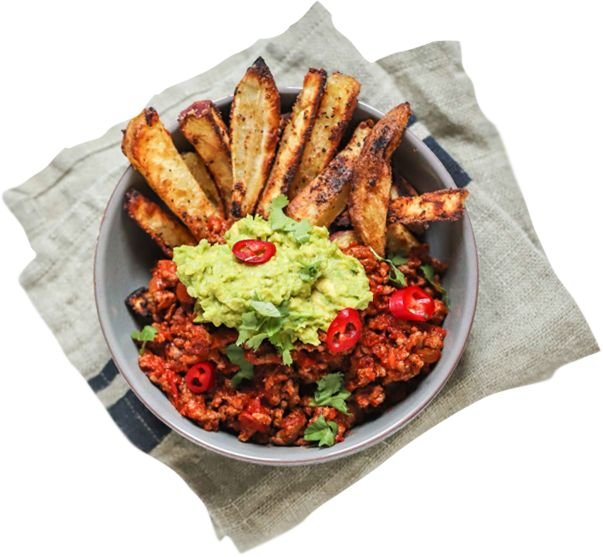
Carbs are your body’s preferred fuel. Your body breaks them down into simple sugars like glucose, which power your brain and muscles. Technically you can get energy from fat and protein instead, but it’s hard to train at the same intensity without carbs.
- 4 calories per gram.
- Simple carbohydrates include sugars in table sugar, honey, juice and sweets. The food’s form, fibre and portion size affect its impact.
- Whole grains, legumes and starchy vegetables provide carbohydrates, often with fibre. Not all complex carbohydrates are digested slowly.
- The glycaemic index compares blood-glucose responses to a fixed amount of carbohydrate. Portion size, preparation, other meal components and individual health also matter.
- How much? Most guidelines suggest around half your daily calories from carbs. Athletes may need 3 to 12 g per kilo, depending on their training (Thomas et al., 2016). The WHO advises keeping added sugars under 10% of calories, and ideally under 5% (WHO).
With World Diabetes Day approaching, here are practical habits to consider. You do not automatically need to cut out carbohydrates; your healthcare team can help you personalise your plan.
- Pair carbs with protein or fat: dates with nuts, bread with eggs, rice with chicken and salad.
- Choose whole grains and legumes more often than white bread and white rice.
- Choose water instead of sugary drinks and juice more often.
- Build meals around vegetables, a protein source and a carbohydrate portion that fits your needs.
— If you have diabetes, your carb needs are personal. Follow the plan from your healthcare team.
Fats: protection and long-lasting energy

Fats are made of fatty acids. They’re the most concentrated source of energy, and your body needs them to build cell walls, make hormones and absorb vitamins A, D, E and K.
- 9 calories per gram, more than double protein and carbs. That’s why small portions go a long way.
- Unsaturated fats, including omega-3, omega-6 and omega-9, support your heart and brain. Find them in olive oil, nuts, seeds, avocado and oily fish.
- Saturated fats are solid at room temperature, like ghee, butter, fatty meat and coconut oil. Enjoy them in smaller amounts.
- Avoid industrial trans fats. Check labels for partially hydrogenated oils; fully hydrogenated oils are not the same as partially hydrogenated oils.
- How much? For adults, WHO suggests limiting total fat to 30% of energy or less to help prevent unhealthy weight gain, with saturated fat at no more than 10% and trans fat no more than 1%. Children and some individuals have different needs.
Macros in real life: reading a recipe
Here is an illustrative calculation. A meal containing the following amounts would provide approximately:
The total is approximately 378 calories. Equal weights of protein and fat provide different amounts of energy: that is the 4-4-9 rule. Label totals may differ because of rounding, fibre and calculation methods.
Another illustrative meal with 28 g protein, 35 g carbs and 18 g fat gives about 414 calories. These are calculation examples, not verified nutrition values for app recipes.
You don’t have to count macros. You just have to understand them.
Do you need to count macros?
For most people, no. Counting can be useful for athletes or for a short time to learn about your food, but it can also become stressful. A simpler way to get the balance right is the hand method from our balanced Saudi plate guide: a palm of protein, a fist of vegetables, a cupped hand of carbs and a thumb of fat. It’s macros, without the maths.
FAQ
Do I need to count macros to eat healthily?
No. Most people never need to count macros. Building a balanced plate with your hand (a palm of protein, a fist of vegetables, a cupped hand of carbs and a thumb of fat) gives you a good balance without any tracking.
Are carbs bad for you?
No. Carbs are your body’s preferred fuel, especially for exercise. The type matters most: choose whole grains, legumes, vegetables and fruit more often, and limit added sugars and sugary drinks.
How much protein do I need?
Most adults need at least 0.8 g of protein per kilo of body weight a day. Active people, older adults and anyone building muscle often benefit from more, around 1.4 to 2.0 g per kilo for most exercising adults. People with kidney disease should follow medical advice.
Are dates mostly carbs?
Yes. Dates are mainly carbohydrate and provide some fibre and minerals. Date sizes vary, so choose a portion that suits your needs and any diabetes care plan.
I have diabetes. Should I follow these numbers?
No. This guide is general education. If you have diabetes or prediabetes, your carb and calorie needs are personal, so please follow the plan from your doctor or dietitian.
The bottom line
Protein builds and repairs, carbs fuel your energy, and fats protect your cells and help your body use vitamins. You need all three. Diet trends come and go, cutting one macro or celebrating another, but the basics stay the same: eat mostly whole foods, balance your plate, and choose quality within each group.
Explore Byondbites
Explore Byondbites and read more practical nutrition guides on our blog.
Available on the App Store and Google Play
Sources and further reading
- World Health Organization. Healthy diet. Fact sheet. who.int
- Jäger R, et al. (2017). International Society of Sports Nutrition position stand: protein and exercise. Journal of the International Society of Sports Nutrition. jissn.biomedcentral.com
- Thomas DT, Erdman KA, Burke LM (2016). Nutrition and athletic performance. Medicine & Science in Sports & Exercise. journals.lww.com
- USDA. FoodData Central. Nutrient data for banana and avocado. fdc.nal.usda.gov
- International Diabetes Federation. World Diabetes Day. worlddiabetesday.org