Food & Health
Healthy vs. Ultra-Processed Food: A Guide for Saudi Arabia & the Gulf
 By Sehrish Khandia, Certified Nutritionist10 min read
In Saudi Arabia and across the Gulf, our plates have changed fast. The dates, laban, lentils, grains and fresh fish our grandparents grew up on now share the table with fast food, energy drinks and packaged snacks.
In the US, ultra-processed food makes up about 57% of adults’ calories, and in the UK it’s a similar 56.8%. It has become the main source of energy in both countries. The Gulf is moving in the same direction, and the health effects are already showing.
But “processed” isn’t a dirty word. Freezing vegetables, drying dates and pasteurising milk are all processing too. What matters is how much a food has been changed, and what’s been added along the way.
This guide walks you through the four food groups, the Gulf foods that belong in each, how to read Arabic and English labels, and simple swaps that fit our kitchens. The goal is a calmer, clearer way of looking at food, not fear.
Why does ultra-processed food matter in the Gulf?
The Gulf has some of the highest rates of obesity and diabetes in the world, and diet is a big part of the story. In Saudi Arabia:
- 23.1%of people aged 15+ are obese
- 45.1%are overweight
- 14.6%of children aged 2 to 14 are obese
- 10.2%of adults eat five servings of fruit and veg a day
Source: GASTAT, 2024
Across the GCC: The International Diabetes Federation estimates that diabetes rates in the GCC countries are among the highest in the world (IDF Diabetes Atlas, 2025).
Governments are acting. Since 1 January 2026, Saudi Arabia taxes sweetened drinks by how much sugar they contain, following a GCC-wide decision. Drinks with 8g or more of sugar per 100ml pay the highest rate, while drinks under 5g pay none (Arab News). The Saudi Food and Drug Authority (SFDA) has also required calorie counts on restaurant menus since 2019, banned partially hydrogenated oils and set salt limits for bread (Bin Sunaid et al., 2021).
The global evidence points the same way. A 2024 review in The BMJ covering nearly 10 million people linked ultra-processed food to 32 health problems, including heart disease, type 2 diabetes, anxiety and early death (Lane et al., 2024). In the UK, adults who ate the most had a 79% higher risk of obesity and a 30% higher risk of abdominal obesity (Rauber et al., 2021). In the US, it now makes up 57% of adults’ calories (Juul et al., 2022).
Most of this research shows a link rather than proof of cause. But the pattern is consistent, and the fix is simple: eat more whole foods, more often.
What are the 4 types of processed food?
The NOVA Food Classification system was designed by the Center for Epidemiological Studies in Health and Nutrition at the University of São Paulo, Brazil. It sorts food by how much processing it goes through, and it’s the system most researchers use, including the Saudi studies above.
Group 1: Unprocessed and minimally processed
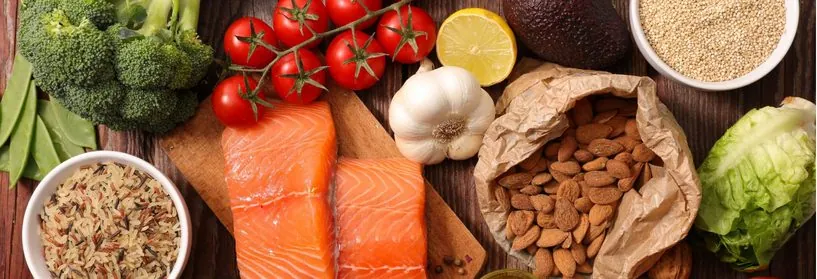
These are whole foods with their vitamins and nutrients intact, taken straight from plants or animals and kept close to their natural state.
Minimally processed foods are only changed to make them safe and easy to store: removing inedible parts, drying, fermenting, crushing, roasting, boiling, freezing or pasteurising. Nothing is added. No oil, fat, sugar or salt.
In a Gulf kitchen: dates, fresh fruit and vegetables, plain laban and yoghurt, eggs, fresh fish and chicken, lamb, rice, freekeh, oats, lentils, chickpeas and fava beans, nuts and seeds, tahini, Arabic coffee, plain tea, spices like cardamom and saffron, dried herbs, and water.
 The base of every meal
Group 2: Processed culinary ingredients
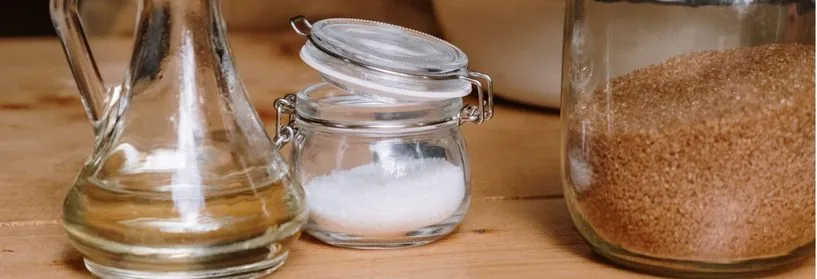
These are extracted from natural foods by pressing, grinding, crushing or refining. Used in moderation to cook Group 1 foods, they make meals delicious without throwing them off balance.
Quality matters here. Some, like old or reused frying oil, can break down and turn rancid, so choose good-quality ingredients and store them well.
In a Gulf kitchen: olive oil, ghee, butter, sesame oil, vinegar, salt, sugar, honey and date syrup (dibs).
 Small amounts, for cooking
Group 3: Processed
These are Group 1 foods with salt, oil, sugar or vinegar added. They usually have just two or three ingredients.
It’s easy to forget that freshly baked khubz from your local bakery and a can of chickpeas are technically processed. That doesn’t make them “bad”.
In a Gulf kitchen: fresh bakery khubz and samoon, halloumi, white cheese and akkawi, canned chickpeas and foul, canned tuna and sardines, pickled turnips and cucumbers, olives, and salted nuts.
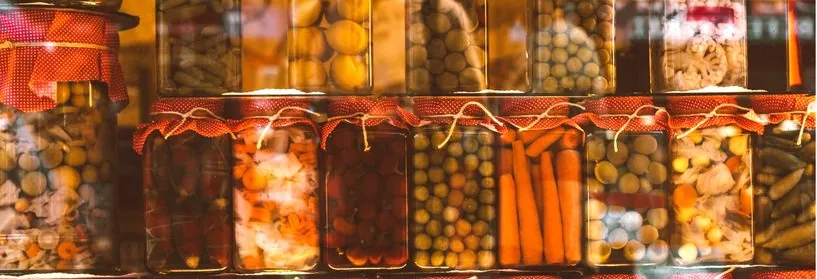 Fine as part of a balanced meal
Group 4: Ultra-processed
These are industrial products made mostly from substances extracted from other foods, like fats, starches, added sugars and hydrogenated oils, plus additives such as artificial colours, flavours and stabilisers.
Research suggests that heavy processing breaks down the natural structure of foods (the “food matrix”), which can change how nutrients are absorbed. The real harm comes when these products replace the whole foods your body needs. They’re often easy to spot because they contain ingredients you’d never use at home, but many hide in everyday foods we take for granted.
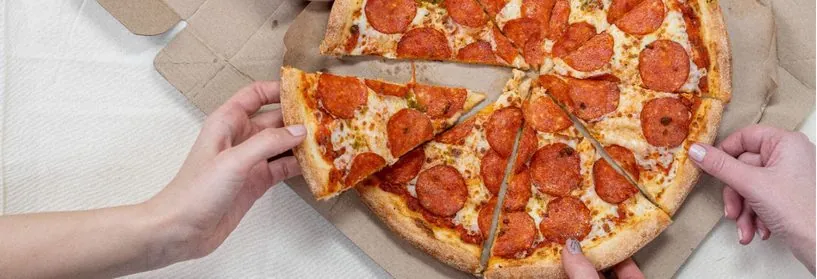 Limit where you can
Common ultra-processed foods in the Gulf
- Packaged crisps and salty or sweet snacks
- Packaged biscuits, wafers and filled maamoul
- Ice cream and frozen desserts
- Chocolates, sweets and candy
- Cola and other fizzy drinks
- Energy and sports drinks
- Instant noodles, soups and powdered drink mixes
- Flavoured laban and fruit yoghurts
- Chocolate and flavoured milk drinks
- Sweetened juice drinks
- Cheese spreads, triangles and margarine
- Frozen samboosa, spring rolls and ready meals
- Frozen pizza and boxed pasta dishes
- Chicken franks, mortadella and luncheon meat
- Nuggets, strips and breaded fish fingers
- Packaged sliced bread, burger buns and croissants
- Packaged cakes, pastries and cake mixes
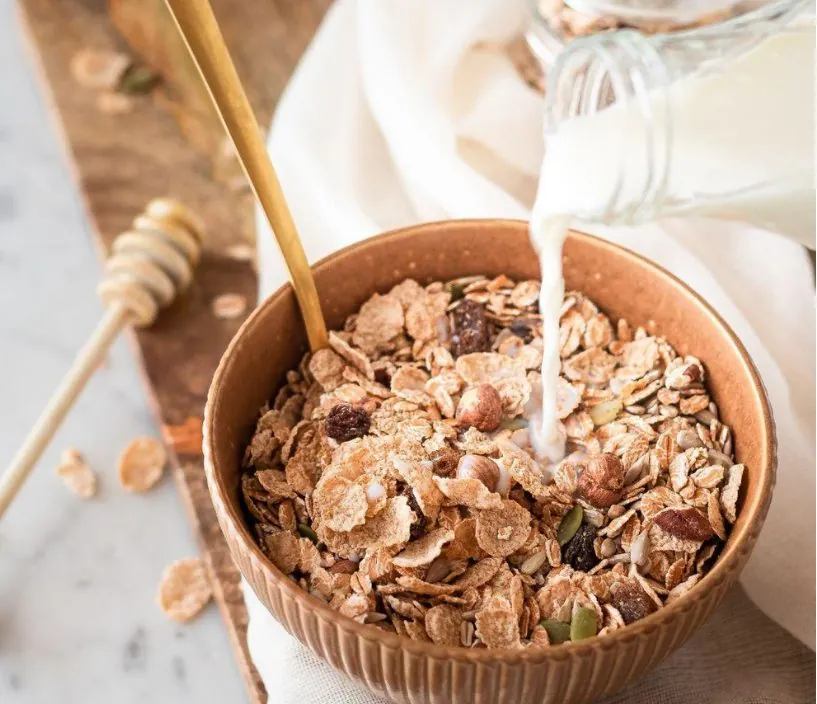
- Sugary breakfast cereals and cereal bars
- Meal replacement shakes
How do you spot ultra-processed food on a label?
Flip the pack over and read the ingredients list, not the front. Words like “natural”, “high protein” or “wholegrain” don’t tell you how processed something is. Ask yourself:
- Is salt or sugar near the top of a long list? Especially when the rest are ingredients you don’t recognise.
- Does it contain high-fructose corn syrup or glucose syrup? Dextrose and fruit juice concentrate are sugar too.
- Does it contain hydrogenated or interesterified oils? Look for زيت مهدرج on Arabic labels.
- Does it contain “cosmetic” additives? Flavours, flavour enhancers, colours, emulsifiers, sweeteners, thickeners, and foaming, gelling or glazing agents are there to make food look and taste better, not to nourish you.
- Is it marketed hard? Bright packaging, cartoon characters, end-of-aisle displays and big Ramadan promotions are usually a sign.
- Would you keep these ingredients in your own kitchen? Maltodextrin and soy protein isolate are giveaways.
If you tick two or more, it’s probably ultra-processed. That doesn’t mean never. It just shouldn’t be your everyday default.
Arabic label words to look for
Most products in the Gulf list ingredients in both Arabic and English. These are the words that signal ultra-processing:
| English | Arabic |
|---|---|
| Emulsifier | مستحلب |
| Flavourings / artificial flavours | منكهات / نكهات صناعية |
| Artificial colours | ألوان صناعية |
| Artificial sweeteners | محليات صناعية |
| Glucose syrup | شراب الجلوكوز |
| High-fructose corn syrup | شراب الذرة عالي الفركتوز |
| Hydrogenated vegetable oil | زيت نباتي مهدرج |
| Stabiliser / thickener | مثبت / مكثف |
| Preservatives | مواد حافظة |
| Flavour enhancer | محسن نكهة |
Also look for E-numbers (like E471 or E621), which are additive codes used on GCC labels.
Use the SFDA traffic light
Many products in Saudi Arabia now carry the SFDA’s colour-coded front-of-pack label for calories, sugar, fat, saturated fat and salt. Green is low, amber is medium and red is high. It doesn’t tell you if a food is ultra-processed, but lots of red is a good reason to check the ingredients.
What are healthy alternatives to ultra-processed food?
You don’t need to overhaul your diet overnight. Pick one or two swaps this week and build from there.
| Instead of | Try this | Why it’s better |
|---|---|---|
| Sugary breakfast cereal | Rolled oats, like our Overnight Blueberry Chia Protein Oats (in the app) | Whole grains and fibre that keep you full until lunch |
| Flavoured laban or fruit yoghurt | Plain laban or Greek yoghurt with a date or fresh fruit | Natural sweetness, no added sugar or colours |
| Frozen or delivery pizza | Homemade manakish or pizza on fresh dough with za’atar, cheese and vegetables | You choose the cheese, oil and toppings |
| Chicken nuggets | Our Baked Quinoa Chicken Nuggets (in the app) | Real chicken with a crispy whole-grain coating, baked not fried |
| Chicken franks and mortadella | Grilled chicken, shish tawook or lean lamb | Real meat with fewer preservatives |
| Frozen fries and potato wedges | Fresh sweet potato wedges with paprika, baked in the oven | Fibre and vitamin A, no frying oil |
| Crisps and packaged snacks | Plain air-popped popcorn or roasted chickpeas | Whole grains and fibre |
| Fizzy and energy drinks | Sparkling water with lemon, lime and mint, or crushed berries | Refreshing without 8g+ of sugar per 100ml |
| Mayonnaise and cheese spreads | Mashed avocado with lemon, or labneh with olive oil and za’atar | Healthy fats and fewer additives |
| Cereal bars and packaged sweets | 2–3 dates with mixed unsalted nuts | A traditional snack with fibre and healthy fats |
| Instant noodles | Our Teriyaki Meatball Soup (in the app) | Real beef meatballs, greens and noodles in a homemade broth, with 28g of protein a bowl. Ready in 35 minutes |
FAQ
Is all processed food bad for you?
No. Frozen vegetables, canned chickpeas, plain laban and fresh bakery bread are all processed, and all can be part of a healthy diet. The foods to limit are ultra-processed ones made mostly from industrial ingredients and additives.
Are dates ultra-processed?
No. Fresh and dried dates are unprocessed or minimally processed. Pure date paste and date syrup are fine too. Packaged date bars or date sweets with added glucose syrup, flavourings or preservatives can be ultra-processed, so check the label.
Is Arabic bread (khubz) ultra-processed?
Freshly baked khubz from a local bakery is processed, not ultra-processed, since it’s usually just flour, water, yeast and salt. Packaged supermarket bread that lists emulsifiers, preservatives or improvers is often ultra-processed.
Is flavoured laban healthy?
Plain laban is a healthy, minimally processed food. Flavoured versions often contain added sugar, flavourings and colours, which makes them ultra-processed. Add fresh fruit or a date to plain laban instead.
Are protein bars ultra-processed?
Most are. They’re usually made from protein isolates, syrups, sweeteners and emulsifiers. A handful of nuts with a piece of fruit is a simpler option.
How much ultra-processed food is too much?
There’s no official limit. A practical goal is to make most of your plate whole and minimally processed foods, and treat ultra-processed food as an occasional extra rather than a daily staple.
Does the Saudi sugar tax apply to all drinks?
No. Since January 2026, the tax depends on sugar per 100ml. Drinks with under 5g, or sweetened only with artificial sweeteners, pay no tax. Pure juice with no added sugar and milk drinks with at least 75% milk are exempt, while energy drinks are still taxed separately at 100% (Dariba).
The bottom line
Aim to eat mostly natural and minimally processed foods (Group 1) and freshly made meals, the kind Gulf kitchens have always been built on: dates, laban, grains, lentils, vegetables, fish and chicken.
Be wary but not fearful of processed foods (Groups 2 and 3). Cook with olive oil and ghee in moderation, and enjoy fresh khubz and cheese without guilt. Now that you know the range within each group, keep reading labels.
Limit ultra-processed foods (Group 4) where you can. That’s where you’ll make the biggest difference to your health. Small, steady swaps add up.
Need ideas for what to cook instead?
Open Byondbites for simple, whole-food recipes made for real life in the Gulf. Scan what’s in your fridge to see what you can cook, or ask Ayra for easy swaps.
Available on the App Store and Google Play
Sources and further reading
- General Authority for Statistics (GASTAT). Health Determinants Statistics Publication 2024. November 2024. stats.gov.sa
- King Abdulaziz University (2025). Ultra-processed food intake and its association with obesity risk factors, Mediterranean diet, and nutrient intake of adults. pubmed.ncbi.nlm.nih.gov
- International Diabetes Federation (2025). IDF Diabetes Atlas, 11th edition: Qatar country report. diabetesatlas.org
- Arab News (2025). Saudi Arabia links sweetened beverage tax to sugar content. arabnews.com
- Dariba (2026). Excise Tax in Saudi Arabia: An Overview. dariba.co
- Bin Sunaid FF, et al. (2021). Saudi Arabia’s Healthy Food Strategy: Progress & Hurdles in the 2030 Road. Nutrients. nutrition-evidence.com
- Lane MM, et al. (2024). Ultra-processed food exposure and adverse health outcomes: umbrella review. The BMJ. bmj.com
- Rauber F, et al. (2021). Ultra-processed food consumption and risk of obesity: UK Biobank. European Journal of Nutrition. ncbi.nlm.nih.gov
- Juul F, et al. (2022). Ultra-processed food consumption among US adults from 2001 to 2018. American Journal of Clinical Nutrition. pubmed.ncbi.nlm.nih.gov
- Martínez Steele E, et al. (2016). Ultra-processed foods and added sugars in the US diet. BMJ Open. bmjopen.bmj.com
- Rauber F, et al. (2018). Ultra-processed food consumption and chronic non-communicable diseases-related dietary nutrient profile in the UK (2008–2014). Nutrients. mdpi.com
- Machado PP, et al. (2019). Ultra-processed foods and recommended intake levels of nutrients linked to non-communicable diseases in Australia. BMJ Open. bmjopen.bmj.com
- Rico-Campà A, et al. (2019). Association between consumption of ultra-processed foods and all cause mortality: SUN prospective cohort study. The BMJ. bmj.com
- Perjési P, et al. (2002). Effect of rancid corn oil on some onco/suppressor gene expressions in vivo. Anticancer Research. pubmed.ncbi.nlm.nih.gov