Healthy Saudi Meal Planning: A Simple Weekly Plan for Busy Families
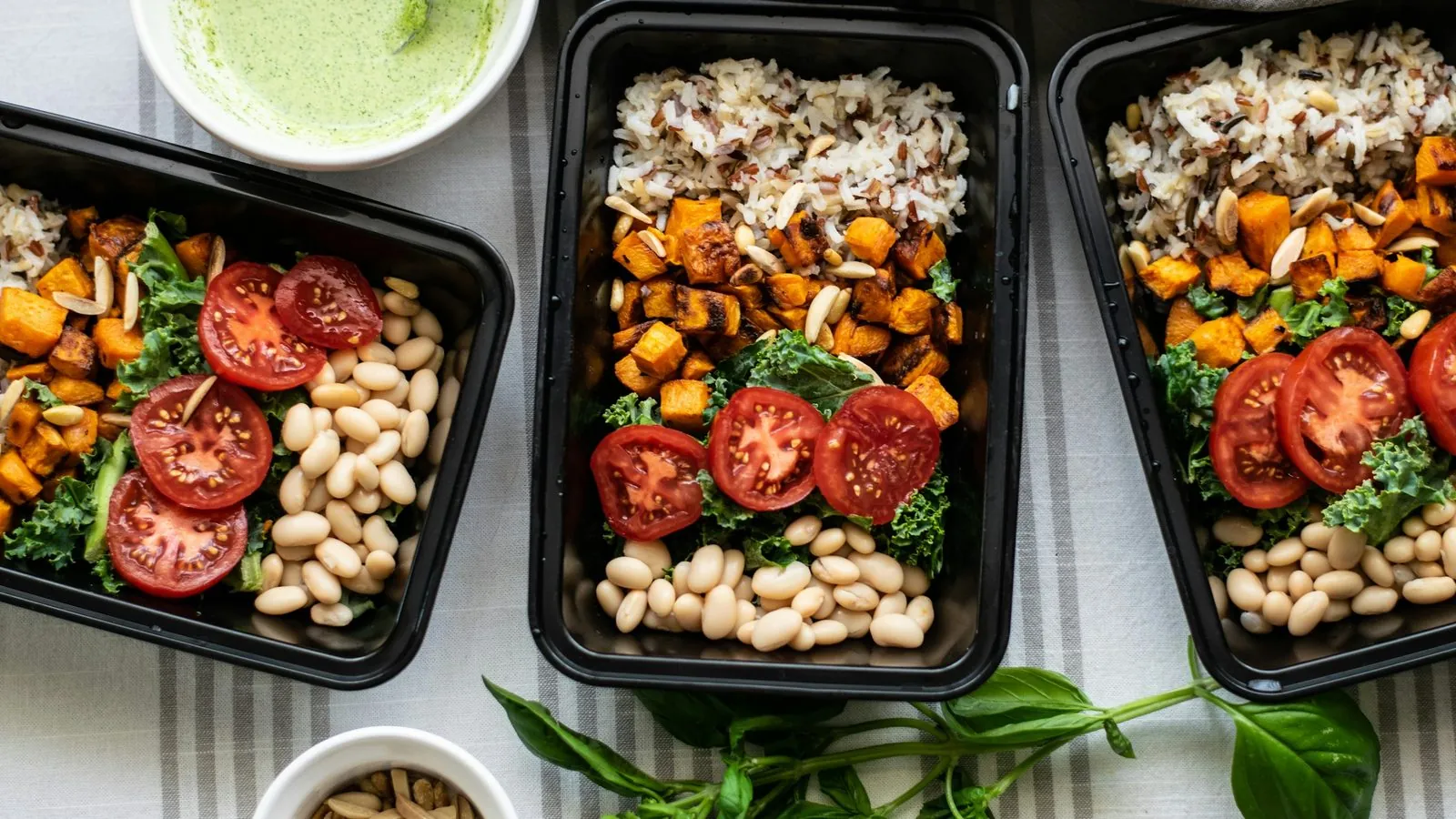
Photo by Leanna Myers on Unsplash
Plan for the week you actually have. Mark the work and school days, Friday lunch with family and the nights you'll eat out. Then choose three or four anchor dinners, cook once to eat twice, do a little prep on Saturday and write your shopping list from the plan. Keep one night free for whatever's left in the fridge.
- Look at the calendar before you think about food.
- Three or four planned dinners is plenty to start.
- Cook one batch that becomes a different dinner later in the week.
- Shop from the plan, not from memory.
- Enjoy Friday lunch. There's no need to "save up" for it.
Ask most families what's for dinner on Wednesday and you'll hear "we'll see". That's normal. But at 7 pm on a school night, "we'll see" often means delivery, or the same three dishes again.
Meal planning doesn't have to be a colour-coded spreadsheet, or chicken and broccoli in plastic boxes. For most families it just means making a few decisions at the weekend so the weekdays feel lighter.
This post is about organising the week. If you want to know how much goes on each plate, the balanced Saudi plate guide covers portions and Macros Made Simple explains protein, carbs and fat.
Does planning actually help?
There's some good evidence that it does. A study of more than 40,000 French adults found that people who planned their meals tended to have more varied diets, followed nutrition guidelines more closely and had lower odds of obesity than people who didn't (Ducrot et al., 2017). It was observational, so it can't prove planning caused those results. Still, it makes sense. When dinner is decided in advance, vegetables and home cooking are much easier to fit in.
And at home there's room to improve. According to the General Authority for Statistics, only 10.2% of adults in Saudi Arabia eat the recommended five servings of fruit and vegetables a day, and self-reported obesity among adults was 23.1% (GASTAT, 2024). A plan is one of the easiest places to put vegetables in on purpose.
It helps the budget too. A national study announced by the Ministry of Environment, Water and Agriculture found that more than 33% of food in Saudi Arabia is wasted. Buying what you plan to cook is one of the simplest ways to waste less.

Start with your real week
Before you think about food, look at the calendar. For a lot of Saudi families it looks roughly like this. Sunday to Thursday is work and school, homework, activities and late finishes. Thursday night is often out, visiting, or ordering in. Friday is the big family lunch, usually rice-based, at home or with relatives. Saturday is slower, which makes it a good day to shop and prep.
Now mark the busiest nights. They need the fastest meals. Mark the nights you'll be out, too. Those need no cooking at all.
Choose three or four anchor dinners
You don't need to plan 21 meals. Pick three or four weeknight dinners and rotate the protein so the week doesn't feel samey. One chicken dinner, one fish, one or two with beans or lentils (foul, lentil soup, a chickpea saloona), and one with eggs or meat would be a good spread.
Each anchor needs a vegetable you'll actually eat. Breakfasts and lunches can stay simple and repetitive. Most families rotate a few anyway.

Cook once, eat twice
If you only take one idea from this post, take this one. Cook a bigger batch of something that becomes a different dinner later in the week.
Roast chicken on Sunday can be chicken saloona or chicken and vegetable rice on Tuesday. A big pot of lentils gives you soup one night and lentils with rice and caramelised onion another. Cooked freekeh or bulgur works as a side on Monday and a salad base on Wednesday. A tray of roasted vegetables is a side one night and soup the next.
Changing the format is what stops it feeling like "leftovers again".
Cook once, change the format, and nobody says ‘leftovers again’.

An hour of prep on Saturday
You don't need to cook the whole week at the weekend. An hour on Saturday is enough:
- wash and chop salad vegetables and keep them in sealed containers
- cook one grain
- boil a few eggs
- make one sauce, like yoghurt with garlic and mint or tahini with lemon
- marinate chicken for Sunday or Monday
Keep food safety in mind. US guidance suggests eating cooked leftovers within 3 to 4 days, so plan to use Saturday's prep by Tuesday or Wednesday and freeze anything you won't get to.
Friday lunch
Friday lunch with family is part of life, and it's meant to be enjoyed. Skipping meals beforehand to "save up" tends to backfire and leads to overeating later.
Have a normal breakfast instead. If you can, offer to bring a big salad or a vegetable dish so there's always something fresh on the table. Then keep Friday dinner light: soup, eggs, or yoghurt with fruit. Our post on mindful eating habits has more on gatherings.

Write the list from the plan
Now the plan turns into a shopping list. Check the fridge and cupboard first, then write down only what the planned meals need, grouped by section: vegetables and fruit, protein, dairy, cupboard, freezer. Frozen vegetables and canned beans are a good backup for the end of the week, when the fresh things run out.
If you use Byondbites Premium, the grocery list can keep your recipes and shopping together. The recipes themselves are free for everyone.
An example week
This is an illustrative example, not a personal meal plan. Adjust it for your family's needs, preferences and any medical advice.
| Day | Dinner idea | Planning note |
|---|---|---|
| Saturday | Grilled fish with salad and bulgur | Prep day: chop vegetables, cook a grain, make a yoghurt sauce |
| Sunday | Roast chicken with roasted vegetables and rice | Cook extra chicken for Tuesday |
| Monday | Lentil soup with bread and salad | Quick night: soup in about 30 minutes |
| Tuesday | Chicken and vegetable saloona with rice | Uses Sunday's chicken |
| Wednesday | Flexible night: cook from what's in the fridge | Use up the last vegetables |
| Thursday | Out or ordering in | Check the calories on the menu; a grilled option and a salad if you like |
| Friday | Family lunch, then a light dinner like eggs or yoghurt with fruit | Bring a salad to the gathering |
One pot, different needs
Most families are a mix. Children, teenagers, parents, maybe a grandparent, maybe someone managing diabetes or high blood pressure. You don't have to cook separate meals.
Cook one base meal and adjust the plates. More rice for an active teenager. Extra vegetables and a smaller rice portion for someone who needs it. Less salt in the shared pot, with salt on the table for those who want it. Anyone with a medical condition should follow the plan from their own doctor or healthcare team.
Speaking as a working mum: one pot, different plates. That is what makes this doable on a weeknight.
Where Byondbites can help
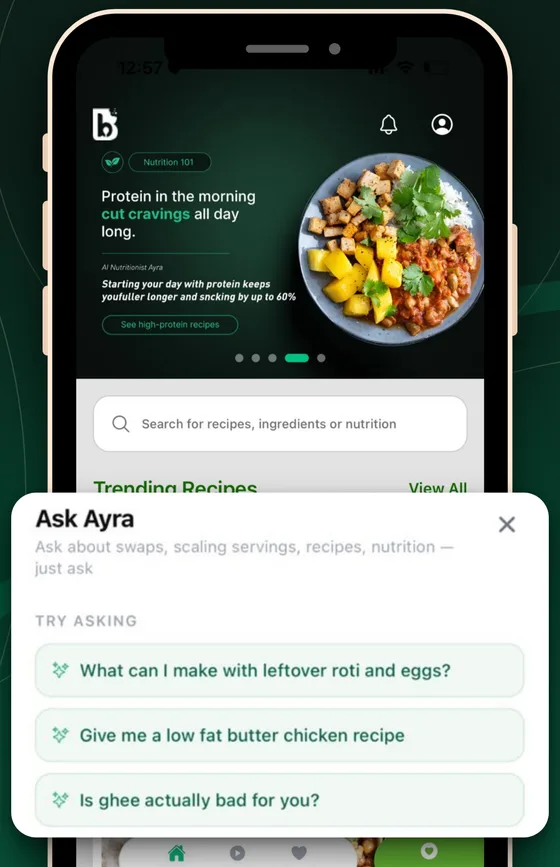
On your flexible night, scan the ingredients in your fridge and get recipes tailored to your profile and cuisines. Need to swap a meal in your plan? Ask Ayra (آيرا) for ideas, or browse more than 500 recipes I've created. And if you'd like help building a plan that suits your family, you can book a free 30-minute consultation with me.
FAQ
How do I start meal planning if I've never done it?
Start small. Plan three dinners for next week, write a shopping list for those three and leave the rest flexible. Add one more planned meal each week.
Is meal planning expensive?
It usually saves money, because you buy what you'll cook and waste less. Beans, lentils, eggs, frozen vegetables and seasonal produce keep costs down.
How long can I keep prepared food in the fridge?
US food-safety guidance suggests eating cooked leftovers within 3 to 4 days. Freeze anything you won't eat in that time.
Do I need to plan breakfast and lunch too?
Not at first. Most families already repeat a few breakfasts and lunches. Planning dinners usually makes the biggest difference.
How do I fit Friday family lunch into a healthy plan?
Enjoy it. Eat normally beforehand, bring a vegetable dish if you can, and keep dinner light. One big meal doesn't undo a balanced week.
The bottom line
A healthy meal plan for a Saudi family isn't about getting everything right. It's a handful of decisions at the weekend. Know your week, choose your anchors, cook once to eat twice, prep a little and shop from a list. The weekdays get calmer, and the meals get more balanced without much extra effort.
Want a plan built around your family?
Book a free 30-minute consultation with me, or scan your fridge in Byondbites on your flexible night and see what comes up.
Available on the App Store and Google Play
Sources and further reading
- Ducrot P, et al. (2017). Meal planning is associated with food variety, diet quality and body weight status in a large sample of French adults. International Journal of Behavioral Nutrition and Physical Activity. doi.org
- General Authority for Statistics (GASTAT). Health Determinants Statistics Publication 2024. stats.gov.sa
- Ministry of Environment, Water and Agriculture (2020). Food waste costs Saudi Arabia SR40 billion annually. mewa.gov.sa
- FoodSafety.gov. Cold food storage chart. foodsafety.gov foodsafety.gov
- Saudi Food and Drug Authority (2025). The SFDA issues three new regulations to promote healthy community nutrition. sfda.gov.sa
- Saudi Food and Drug Authority. Guide to the requirements for displaying calories on the menus of food establishments (Arabic). sfda.gov.sa